鹰潭2026年摩托车科目四英文题库345题
1. How should lamps be used when motor vehicle drivers pass through a two-way tunnel?
A. Turn on the hazard lamps
B. Turn on the high-beam
C. Turn on the fog lamp
D. Turn on the low-beam
Answer: D
2. When passing an intersection, vehicle motor drivers are not allowed to overtake.
A. Right
B. Wrong
Answer: A
3. Which of the following is a bad habit when changing lanes?
A. Turning on the indicator in advance
B. Observing closely before changing a lane
C. Change lanes at will
D. Not obstructing the passing of other normally moving vehicles
Answer: C
4. When driving a motor vehicle following anther vehicle, What should the driver pay attention to?
A. When following a taxi, it is necessary to prevent it from pulling over at any time to get on and off passengers.
B. For large trucks loaded with goods, we should increase the distance between cars and avoid long time follow ups to prevent the risk of cargo spilling and blind areas.
C. When the current side of the vehicle has an internship sign, it should increase the distance with the vehicle to prevent the front vehicle emergency braking.
D. Follow a vehicle in foggy weather, pay attention to the emergency braking of the front vehicle
Answer: ABCD
5. What kind of harmful effect will be brought about by continuously using the foot brake on a long downhill road?
A. Shorten the engine’s service life
B. Make the driver feel tired
C. Easily cause the vehicle to overturn
D. Reduce the braking efficiency
Answer: D
6. When a motor vehicle temporarily stops in fog, which lamp should be turned on?
A. Hazard lamp, clearance lamp and rear position lamp
B. Left-turn indicator, clearance lamp and rear position amp
C. Headlamp, clearance lamp and rear position lamp
D. Reverse lamp, clearance lamp and rear position lamp
Answer: A
7. When driving on road sections where safe sight distance is affected, such as the top of a ramp, what should drivers do to ensure safety?
A. Rush through
B. Use hazard lamp
C. Cut speed and sound the horn
D. Drive at will
Answer: C
8. when passing an intersection without traffic lights, the driver finds people are crossing the street, the wrong measure for the driver to take is to __________.
A. Reduce speed or stop and yield
B. Honk to urge the pedestrians
C. Bypass
D. Weave through the pedestrians
Answer: BCD
9. When a tire blowout on the road, the driver should control the direction of the vehicle and use emergency braking to bring the motorcycle swiftly to a stop.
A. Right
B. Wrong
Answer: B
10. What is the meaning of this sign?
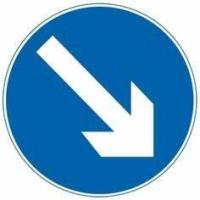
A. Downhill section on right side
B. Driving by the right side of the road
C. Stopping by the right side of the road
D. Right turn only
Answer: B
11. It is not a bad habit for a driver to frequently change lanes.
A. Right
B. Wrong
Answer: B
12. When a gas tanker is leaking heavily, which of the following measures is wrong?
A. Cut off the power
B. Wear gas mask and protect gloves
C. Turn off the valve to stop leaking
D. Evacuate people to the leeward side
Answer: D
13. When encountering this situation at the gate of a school, the driver should prepare to stop.
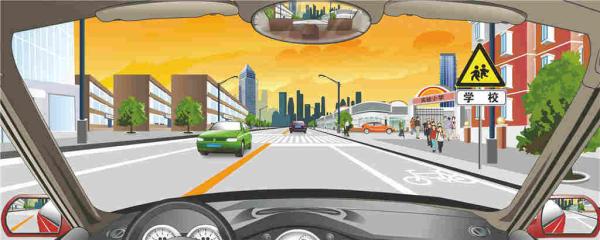
A. Right
B. Wrong
Answer: A
14. The drivers, loaders and supercargoes responsible for dangerous chemicals transportation should all full understand the chemical characteristics, potential risks, features of the packaging containers and emergency measures for any unexpected accidents.
A. Right
B. Wrong
Answer: A
15. When a bicycle borrows the motor vehicle lane, the motor vehicle may sound the horn hurriedly to warn the bicycle to yield.
A. Right
B. Wrong
Answer: B
16. When driving on a long downhill road, which is the best way to control the speed?
A. Coast in neutral gear
B. Take a low gear
C. Depress the clutch
D. Pull up the handbrake
Answer: B
17. What is the meaning of this sign?
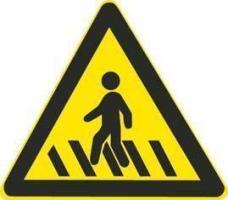
A. Speed up when the driver can not see the pedestrians
B. Speed up
C. There is a crosswalk ahead.
D. Keep driving at the same speed when you can not see the pedestrians
Answer: C
18. Where can not park?
A. Parking lot
B. Parking spaces on roads
C. Landslide and debris flow in Mountainous Areas
D. Crosswalk
Answer: CD
19. When passing another vehicle on a foggy day, what should drivers do?
A. Slow down and pass slowly
B. Maintain a safety distance
C. Properly use lamps
D. Drive at a high speed
Answer: ABC
20. When driving in thick or extremely thick fog, what should the driver do due to the low visibility in such weather?
A. Turn on the headlamp and drive slowly
B. Turn on the fog lamp and drive slowl
C. Park in a safe place
D. Drive slowly close to the roadside
Answer: C
21. Which is correct when riding a motorcycle
A. Both hands can temporarily leave the steering handle bar
B. Voluntarily operate the steering handle bar
C. It is prohibited to simultaneously move two hands from the steering handle bar
D. It is able to statically turn the steering handle bar
Answer: C
22. When encountering this situation in a residential area, the driver may honk to urge them to yield.
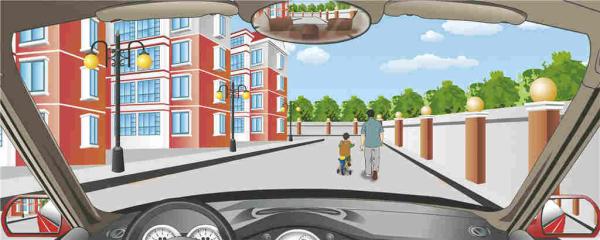
A. Right
B. Wrong
Answer: B
23. When a motorcycle braking on a road covered by ice and snow, the driver should adopt point braking and prepare their feet for landing when braking.
A. Right
B. Wrong
Answer: A
24. What is the purpose of checking before driving?
A. Confirm whether the tyres of motor vehicles are damaged or not
B. Confirm whether there is a safety hazard near the vehicle.
C. Confirm whether there are obstacles around the vehicle
D. Confirm whether the road in front of the vehicle is safe
Answer: ABCD
25. When the vehicles cross each other at night, what should the driver do if the vehicle coming in the opposite direction always use the high beam light.
A. Continuous change lights and honk to remind the vehicle coming in the opposite direction
B. Turn on the high beam light
C. Reduce speed or driving on the right side.
D. Move his sight to the right side to evade the light
Answer: CD
- 更多摩托车英语版驾考试题
- 有国外驾照的外国人只需考科目一
-
- ENGLISH 英语科目一2026年新题库 驾照:C1 C2
- FRENCH 法语科目一2026年新题库 驾照:C1 C2
- GERMAN 德语科目一2026年新题库 驾照:C1 C2
- SPANISH 西班牙语科目一2026年新题库 驾照:C1 C2
- JAPANESE 日语科目一2026年新题库 驾照:C1 C2
- KOREAN 韩语科目一2026年新题库 驾照:C1 C2
- RUSSIAN 俄语科目一2026年新题库 驾照:C1 C2
- ARABIC 阿拉伯语科目一2026年新题库 驾照:C1 C2
- MOTORCYCLE 摩托车科目一2026年新题库 驾照:D E
- 没有国外驾照的外国人还需要考科目四
-
- ENGLISH 英语科目四2026年新题库 驾照:C1 C2
- KOREAN 韩语科目四2026年新题库 驾照:C1 C2
- MOTORCYCLE 摩托车科目四2026年新题库 驾照:D E