河南摩托车科目四英文题库
1. Rescue personnel should check the breath of the unconscious person before applying any other emergency treatment.
A. Right
B. Wrong
Answer: A
2. What is the meaning of this sign?
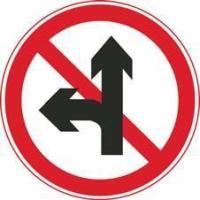
A. No going straight and no changing to left lane
B. No going straight and no left turn
C. Allowed to go straight and turn left
D. No going straight and no right turn
Answer: B
3. A driver should accelerate in advance to overtake then it is likely to meet with oncoming vehicles.
A. Right
B. Wrong
Answer: B
4. When a tire blowout on the road, the driver should swiftly depress the brake pedal to reduce speed and stop the vehicle.
A. Right
B. Wrong
Answer: B
5. What is the meaning of this sign?
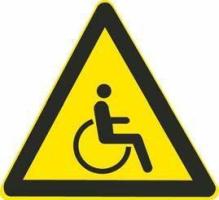
A. Exit and entry for disabled people
B. Watch for disabled people
C. Rest area for disabled people
D. Special passage for disabled people
Answer: B
6. When putting out a fire disaster that gives out erosive steam or poisonous gas, the firefighters should wear gas masks and other related protective articles and should operate from the windward side.
A. Right
B. Wrong
Answer: A
7. When rescuing the persons who are losing blood, it is necessary to ______ first.
A. Observe
B. Dress the wounds
C. Stop bleeding
D. Inquire
Answer: C
8. According to regulations, motorcycle driver and passenger should wear helmets.
A. Right
B. Wrong
Answer: A
9. After setting off from the roadside, motor vehicle drivers should speed up as soon as possible and make a sharp left-turn in order to drive into the normal lane.
A. Right
B. Wrong
Answer: B
10. What should the driver do to follow other motor vehicles on a mountain road?
A. Closely follow the vehicle in front
B. Increase the safety distance
C. Reduce the vertical distance between vehicles
D. Try to overtake the vehicle in front as soon as possible
Answer: B
11. When passing a sharp curve, motor vehicle drivers may overtake if there are few other vehicles on the road.
A. Right
B. Wrong
Answer: B
12. Whats the meaning of the double white solid lines in far front of the intersection?
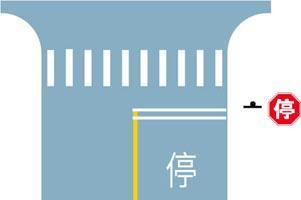
A. Stopping and yield line
B. Slowdown and yield line
C. Left-turn waiting line
D. Waiting to run line
Answer: A
13. What is the meaning of this sign?
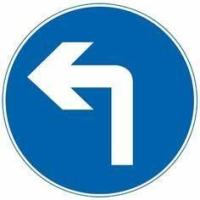
A. Turn left
B. No going straight
C. Straight-going lane
D. One-way road
Answer: A
14. Speed up and pass when encountering this traffic light at the intersection
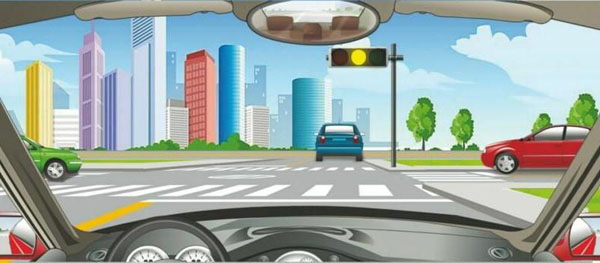
A. Right
B. Wrong
Answer: B
15. After a tire blows out and before the driver can control the speed of the vehicle, he should refrain from using the foot brake to stop the vehicle. Otherwise, a horizontal swing of the vehicle can cause greater danger.
A. Right
B. Wrong
Answer: A
16. When a bicycle borrows the motor vehicle lane, the motor vehicle may sound the horn hurriedly to warn the bicycle to yield.
A. Right
B. Wrong
Answer: B
17. When a motor vehicle encounters a burning phenomenon, it should leave the vehicle quickly so as not to cause injury or asphyxia to the respiratory tract.
A. Right
B. Wrong
Answer: A
18. What is the meaning of this sign?
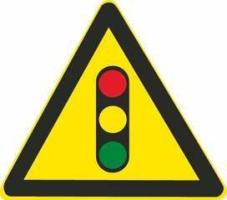
A. Crosswalk lights
B. Watch for pedestrians
C. Attention to traffic lights
D. Intersection
Answer: C
19. You can make an U turn at this intersection.

A. Right
B. Wrong
Answer: B
20. When the driver discovers a tire is leaking and steers the vehicle off the main driving lane, he/she should refrain from applying emergency braking so as to avoid a vehicle turnover or a rear-end collision arising from the late braking of the vehicle behind.
A. Right
B. Wrong
Answer: A
21. What is the meaning of this sign?
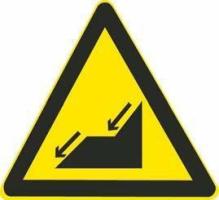
A. Continuous down slopes
B. Steep downhill road
C. Steep uphill road
D. Continuous up slopes
Answer: A
22. Under such circumstances, motor vehicle drivers should bypass on the left quickly.
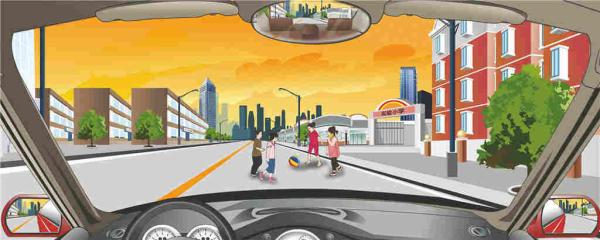
A. Right
B. Wrong
Answer: B
23. What is the meaning of this sign?
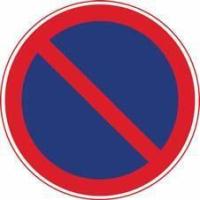
A. No stopping temporarily
B. No long stopping
C. No stopping
D. Long stopping is allowed
Answer: B
24. When a motor vehicle encounters an accident, the driver should pay attention to whether there is fuel leakage, pipeline rupture, so as avoid accidents.
A. Right
B. Wrong
Answer: A
25. What should be checked before driving?
A. No parts need to be checked
B. Whether the tires have been cleaned
C. Where the spare tire is placed
D. The fastening and air pressure of tires
Answer: D
- 更多摩托车英语版驾考试题
- 有国外驾照的外国人只需考科目一
-
- ENGLISH 英语科目一2026年新题库 驾照:C1 C2
- FRENCH 法语科目一2026年新题库 驾照:C1 C2
- GERMAN 德语科目一2026年新题库 驾照:C1 C2
- SPANISH 西班牙语科目一2026年新题库 驾照:C1 C2
- JAPANESE 日语科目一2026年新题库 驾照:C1 C2
- KOREAN 韩语科目一2026年新题库 驾照:C1 C2
- RUSSIAN 俄语科目一2026年新题库 驾照:C1 C2
- ARABIC 阿拉伯语科目一2026年新题库 驾照:C1 C2
- MOTORCYCLE 摩托车科目一2026年新题库 驾照:D E
- 没有国外驾照的外国人还需要考科目四
-
- ENGLISH 英语科目四2026年新题库 驾照:C1 C2
- KOREAN 韩语科目四2026年新题库 驾照:C1 C2
- MOTORCYCLE 摩托车科目四2026年新题库 驾照:D E