北海科目四英语题
1. The braking distance will be shortened greatly when the motor vehicle is equipped with ABS brakes.
A. Right
B. Wrong
Answer: B
2. Where is the proper parking place for breakdown motor vehicles stopping for examination?
A. In the far outer lane
B. In the inner lane
C. In the emergency lane
D. Entrance area of the ramp
Answer: C
3. When encountering such a situation, motor vehicle drivers should take the left lane.

A. Right
B. Wrong
Answer: B
4. What should be done by drivers in order to drive safely on the road in this condition?
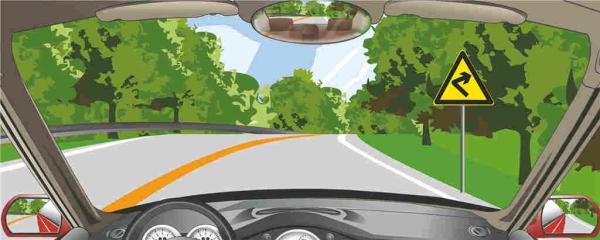
A. Make a large turn on the left side of the road
B. Make a turn on the central line of the curve
C. Make a small turn on the right side of the road
D. Make a turn by borrowing the opposite lane
Answer: C
5. Motor vehicle drivers may make a U-turn in this area as long as it will not affect the passing of pedestrians.
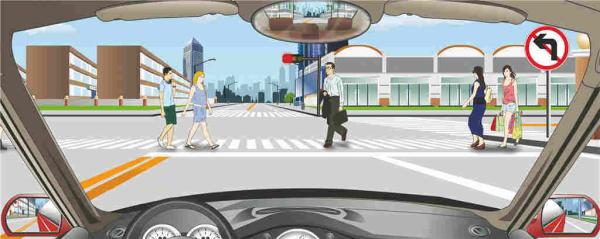
A. Right
B. Wrong
Answer: B
6. The sign indicates no overtaking on the section ahead.

A. Right
B. Wrong
Answer: B
7. What should the driver do in this condition?
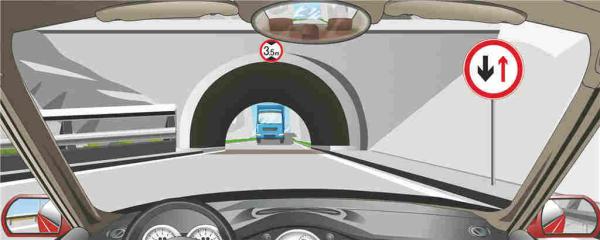
A. Go through normally on the right side
B. Sound the horn and speed up to go through the tunnel
C. Stop and yield to the oncoming vehicle
D. Turn on the headlamp to warn the oncoming vehicle to yield
Answer: C
8. What is the emergency measure to deal with a sudden tire burst on the road?
A. Swiftly braking to slow down
B. Firmly hold the steering wheel and steadily stop the vehicle as early as possible
C. Swiftly turn the steering wheel to adjust the direction
D. Go ahead at a low speed and find a place for tire change
Answer: B
9. The sign on the right indicates a passing bay ahead.
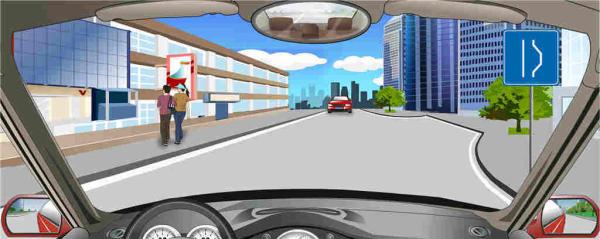
A. Right
B. Wrong
Answer: A
10. Mr. Peng drove a heavy semi-trailer tractor with 37.7 tons of cargo (capacity 25 tons). When descending a slope on the Daguang Expressway, the tractor had a rear-end collision with Mr. Li’s heavy dump truck (carrying 3.17 cubes of loess and 24 passengers in the container) occupying the emergency lane. As a result of this accident, 16 people were killed and 13 injured. What are the main illegal acts in this case?
A. Mr Peng exceeded the speed limit
B. Mr. Peng’s tractor carried more cargo than limited
C. Mr Li illegally drove in the emergency lane
D. Mr. Li’s truck illegally carried passengers in the container
Answer: BCD
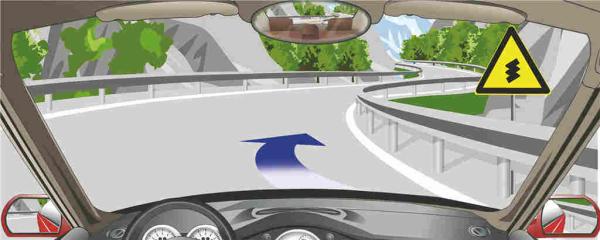
11. When passing this mountainous road, motor vehicle drivers should drive along the center of the road.
A. Right
B. Wrong
Answer: B
12. When reversing in this condition, in which of the following ways can motor vehicle drivers keep safe?
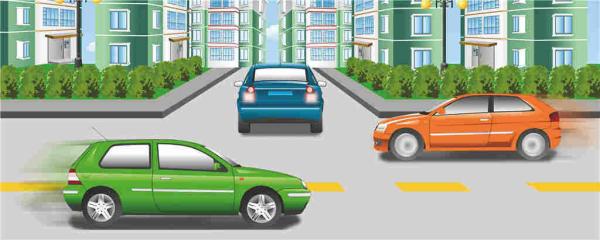
A. Reverse at a lower speed
B. Voluntarily stop and yield
C. Continuously sound the horn to alert
D. Reverse in a clockwise direction
Answer: B
13. When approaching another vehicle at night, why should the driver alternate between high-and-low-beam at a distance more than 150 meters?
A. Warn each other before passing
B. Driving habit
C. Easy to observe the situation ahead from either side
D. Courtesy
Answer: C
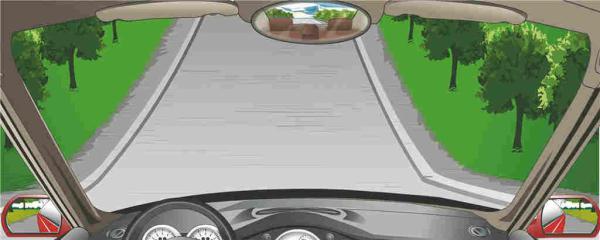
14. When encountering a road like this, motor vehicle drivers should downshift in advance to maintain the dynamic of the motor vehicle.
A. Right
B. Wrong
Answer: A
15. After a traffic accident, what is the most effective measure to prevent secondary accidents?
A. Evacuate all passengers
B. Turn on the hazard lamps
C. Mark the original place of the injured persons
D. Properly place the danger warning sign
Answer: ABD
16. When driving on an expressway, which of the following statements is correct?
A. Drivers may overtake on either the ramp, the acceleration lane or the deceleration lane
B. Drivers are prohibited from reversing, driving in the opposite direction or making a U turn by crossing the central dividing strip
C. Drivers may drive on the emergency lane in a non-emergency case
D. Drivers may test a motor vehicle or learn to drive
Answer: B
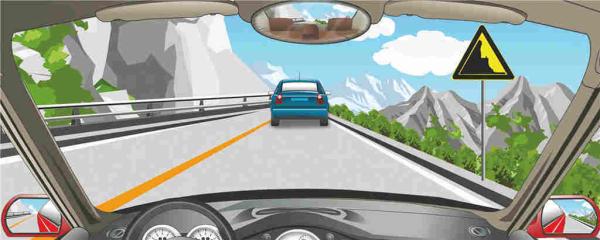
17. The sign on the right warns of a dangerous mountainside road ahead.
A. Right
B. Wrong
Answer: A
18. How should a motor vehicle follow the other vehicle In front when driving on a road covered with ice and snow?
A. Keep a long safe distance
B. Turn on hazard lamp
C. Change between high-and-low beam alternatively
D. Sound the horn in due time to give a notice to the vehicle in front
Answer: A
19. As shown in the flash, when overtaking a vehicle in front, the driver should make the horizontal distance as large as possible and may cross the solid line if necessary.
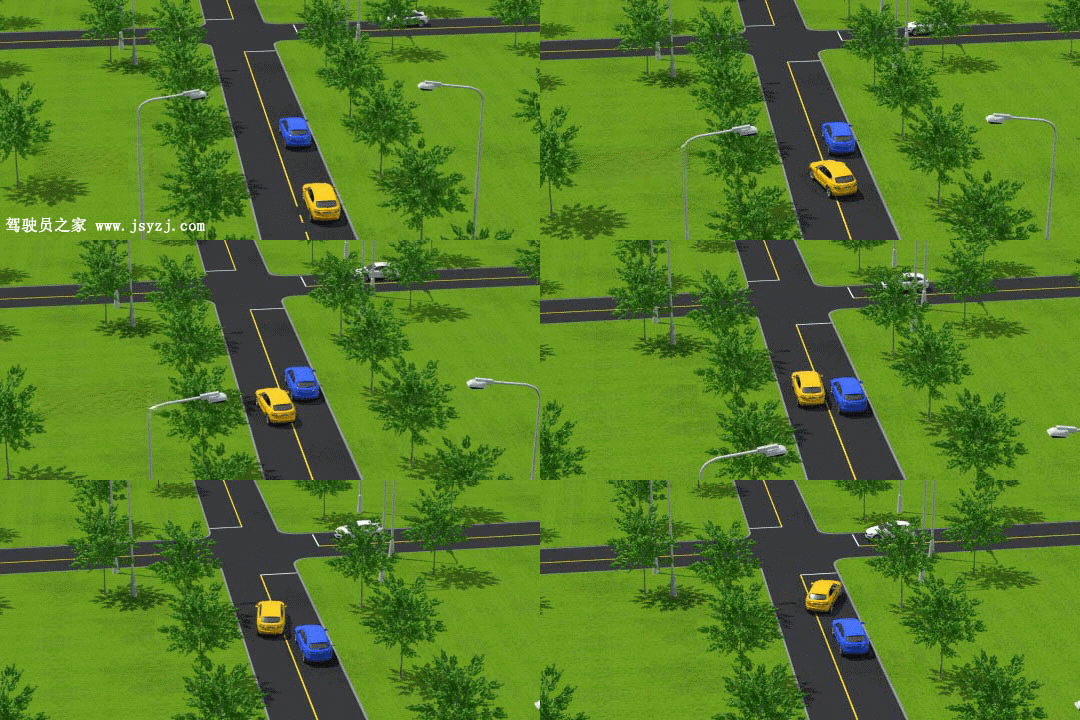
A. Right
B. Wrong
Answer: B
20. If a motor vehicle breaks down or causes a traffic accident on the expressway and cannot run normally the vehicle may be towed by any accompanying motor vehicles.
A. Right
B. Wrong
Answer: B
21. It is not safe for a female driver to wear high heels to drive a vehicle.
A. Right
B. Wrong
Answer: A
22. In the flash, it is correct for the driver to behave this way when there is a traffic jam caused by an accident on the expressway.

A. Right
B. Wrong
Answer: B
23. The sign on the right warns of a village or town ahead suggesting a 30km/hour speed.
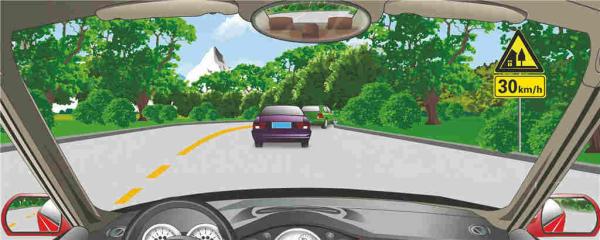
A. Right
B. Wrong
Answer: A
24. When a tire suddenly bursts on the road, in which of the following ways can motor vehicle drivers keep safe?
A. Applying emergency braking and pulling over
B. Firmly holding the steering wheel and keeping the vehicle going straight
C. Immediately releasing the accelerator pedal
D. Gently depressing the brake pedal
Answer: BCD
25. The sign in front indicates a one-way lane after turning right.
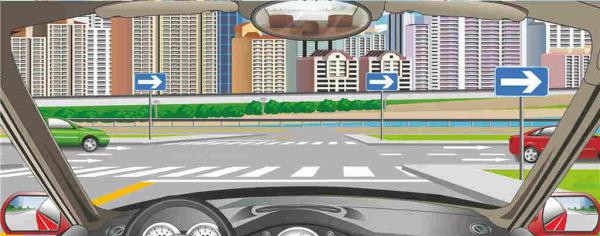
A. Right
B. Wrong
Answer: A
- 有国外驾照的外国人只需考科目一
-
- ENGLISH 英语科目一2026年新题库 驾照:C1 C2
- FRENCH 法语科目一2026年新题库 驾照:C1 C2
- GERMAN 德语科目一2026年新题库 驾照:C1 C2
- SPANISH 西班牙语科目一2026年新题库 驾照:C1 C2
- JAPANESE 日语科目一2026年新题库 驾照:C1 C2
- KOREAN 韩语科目一2026年新题库 驾照:C1 C2
- RUSSIAN 俄语科目一2026年新题库 驾照:C1 C2
- ARABIC 阿拉伯语科目一2026年新题库 驾照:C1 C2
- MOTORCYCLE 摩托车科目一2026年新题库 驾照:D E
- 没有国外驾照的外国人还需要考科目四
-
- ENGLISH 英语科目四2026年新题库 驾照:C1 C2
- KOREAN 韩语科目四2026年新题库 驾照:C1 C2
- MOTORCYCLE 摩托车科目四2026年新题库 驾照:D E